
Why one-time construction safety training isn’t enough in 2026
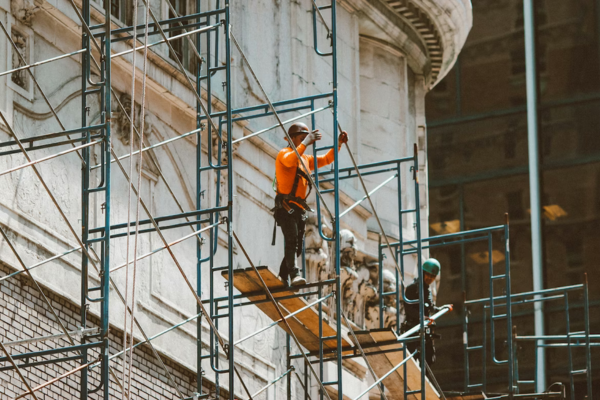
Companies should remind workers about construction safety and emphasise that saving lives is more important than risking them. Unfortunately, many teams opt for a one-and-done training on safety matters and only briefly echo its importance.
This year is the time for change and an opportunity to exercise more continuous construction safety training. It could help prevent injuries and fatalities on your site.
The state of construction safety
The construction industry has a reputation for being a particularly dangerous sector. It is responsible for 20% of fatalities that happen in the country and about 17,600 serious claims were filed in 2024. Between working at heights, handling heavy machinery and exposure to asbestos or other deadly substances, risky situations are present at every hour.
However, there are also dangers where the negative impacts only show over time. For instance, repeated noise can affect your hearing, while constant vibration from tools can cause muscle fatigue. Construction dust and dirt can also compromise respiratory health, especially when workers fail to follow proper protocols to protect themselves.
Dangers can also manifest in physical and mental exhaustion in the construction industry. Teams work long hours to complete a project before their deadline, which can take a toll on them in the long run.
Complacency in modern construction sites
While the work environment on construction sites is dangerous, it’s important to recognise that there are ways to mitigate issues. However, a single safety training session can be forgotten over time, especially for people with too many responsibilities on their shoulders.
Tenured workers can become complacent and forget basic site safety rules, such as hazard communication and the use of personal protective equipment (PPE) when performing tasks. Human error causes over 80% of accidents on construction sites, and this is something that could be prevented with further reminders.
The reputation of construction livelihood
Australians highly regard working in construction. Young workers are attracted to the camaraderie and toughness that are associated with construction. However, there is a culture that almost frowns upon raising issues with their superiors. Even middle-aged men avoid taking time off or speaking with managers if they’re suffering from severe depression.
As a result, workers experience stress and anxiety in silence. These mental distractions can translate into obstacles when carrying out projects and decrease safety levels. It’s important to open up the conversation and reassure them that it’s natural to feel discomfort and fear. It’s the first step in encouraging them to lean on their peers.
Building extra safety precautions
Developing safety training lessons is only possible if construction companies understand what it means to provide a cautious environment to their workers. Analyse your current protocols and identify opportunities for improvement.
For example, PPE is provided on-site, but workers are clueless on how to properly put it on or recognise when it’s unsuitable for use. Provide actionable advice people can use in the future. It’s also useful when dealing with construction equipment and materials.
Look up extra safety processes, as well. For instance, construction sites differ in soil and climate conditions, even in building codes. Exercising thorough site preparation can minimise risks and accidents in the long run.
Creating a construction safety culture
It’s critical to consistently promote construction safety, and one of the best ways to do so is to implement ongoing training. These sessions can help familiarise workers with better protocols and actionable self-rescue tips that will be easier for them to recall.
Regular safety training sessions can cover a range of disciplines on-site. You can combine it with other efforts, like daily check-ins, to reinforce safety awareness. For the best results, remember to provide tips that are relevant to that day’s objectives.
At the end of these endeavours, welcome questions and answer each one thoroughly. It’s important to show that team members can confide in their managers and in each other.
Conducting refresher courses
While health and safety representatives are entitled to refresher training upon request, it’s not necessarily compulsory. However, refresher courses should be provided more frequently to prevent complacency, especially among long-term workers.
Consider implementing periodic formal training sessions for the highest-risk activities, such as working at heights or handling new equipment. This investment in time and energy can help increase caution and awareness.
Promote continuous construction safety training
A one-time training session is not sufficient for a consistently safe work environment. Be proactive in creating and sharing protocols with your peers. Regular check-ins and refresher training can be a game-changer in stressing the importance of safety.