
Surviving the swell when the ground shakes
Australia’s clay-rich soils are constantly shifting, swelling when wet and shrinking when dry. Casey McGuire explains how the natural movement can cause cracks, leaks and long-term damage to underground plumbing systems.
If you’ve ever watched clay soil in action after a good downpour, you’ll know how much it can change. What was once dry and cracked turns sticky and swollen, only to shrink again as the sun dries it out. This expanding and contracting is more than just a surface issue. Beneath homes and buildings across Australia, it’s one of the biggest challenges for plumbers and builders alike.
Reactive soil, as it’s known, is soil that shifts in volume as it gains or loses moisture. It’s made up of clay minerals that act a bit like a sponge, soaking up water and swelling, then drying and shrinking when conditions change. That constant movement might not sound dramatic, but for pipes buried under a slab or running along the ground, even a few millimetres of movement can yell out trouble.
In Australia, soils are classified under AS 2870 according to how reactive they are. Class A soils are stable, while Classes S, M, H and E become increasingly active with moisture changes. Highly or extremely reactive soils can move enough to crack slabs, tilt foundations and tear pipes apart. Some sites even get a D rating, meaning deeper clay layers add to the risk of movement. For anyone working in construction or plumbing, that’s crucial information before the first trench is dug.
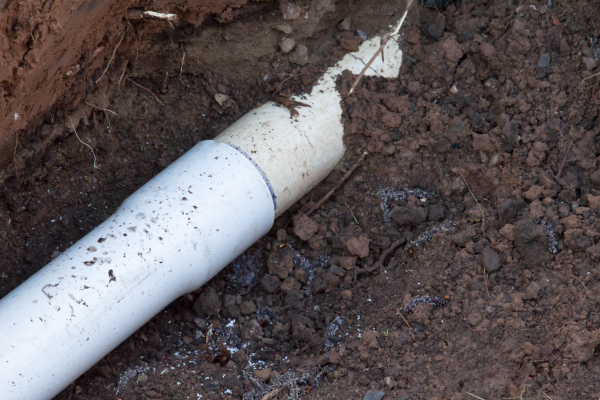
When soil swells or shrinks, the movement can twist and stretch plumbing systems in ways they weren’t designed to handle. Rigid PVC pipes are particularly vulnerable. A small shift can cause a crack, which quickly becomes a leak and once that happens, things go downhill fast. Escaping water seeps into the surrounding soil, making it wetter and more reactive. The soil swells more, pushing harder on the pipe and often damaging nearby sections. It’s a feedback loop that can be hard to stop once it begins.
In wetter months, clay can even expand upward in what’s known as heave. Pipes beneath slabs or near footings can be pushed out of alignment, while joints and fittings bear the brunt of the stress. A loose joint or tiny leak might seem minor at first, but it can cause long-term problems such as blockages, poor drainage or even foundation damage as the soil continues to move.
To keep things under control, understanding the ground beneath the site is step one. A geotechnical soil test identifies how reactive the soil is and helps guide the right plumbing and foundation design. From there, good trenching and moisture control become key. Many installers compact clay backfill around trenches to stop water from spreading too far and wrap pipes that pass through footings or slabs in waterproof material to prevent moisture from travelling along them. Managing surface water is just as important. Sloping ground away from the house and ensuring effective drainage can make a big difference in keeping moisture levels consistent.
Flexibility is another secret weapon. By using flexible fittings, plumbers can give the system room to move without breaking. Swivel joints let pipes rotate slightly, expansion couplings slide back and forth to absorb shifts, while combination joints handle both bending and stretching. The idea is simple: Let the plumbing flex with the soil instead of fighting against it.
Designing and installing systems on reactive sites must comply with AS/NZS 3500.2, which covers sanitary plumbing and drainage. The standard specifically requires designers to consider soil conditions and references AS 2870 for guidance. Many local councils also ask for a soil classification report and an articulation plan before approving work, so early planning is essential.
On-site, attention to detail makes all the difference. Articulation joints should be placed where they can move freely in both directions, not locked in or glued too tightly. Backfill needs to be compacted evenly, and pipes must be properly supported and clipped to stay in place while still allowing for a bit of give.
Reactive soils are part of the Australian landscape, from coastal suburbs to inland clay plains. While they can be tricky to deal with, they don’t have to mean disaster. With the right mix of planning, flexible design and careful installation, plumbing systems can stand up to the push and pull of the ground beneath them for years to come.
For more detailed guidance on installation and design requirements in reactive soil conditions, refer to AS/NZS 3500 and AS 2870 for the relevant standards and best practices.