
Stopping the creep: Why hospitality venues need better drain protection and how plumbers can help
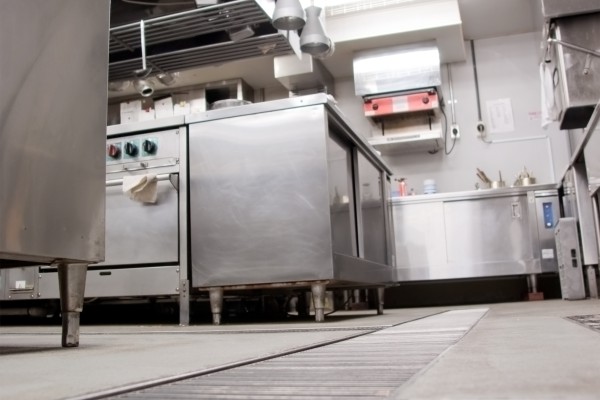
Behind every busy kitchen and bar is a hidden plumbing weak spot that can undermine hygiene, safety and reputation if left unprotected. Eddie Bocchino explores the topic further.
Walk into any commercial kitchen before the breakfast rush, and you’ll see a well-rehearsed routine unfold. Floors are scrubbed, benches sanitised and food storage double-checked. But beneath the surface, below the stainless steel and behind the tiled walls, there’s a part of the hygiene chain most operators never think about: The drains.
For plumbers, that hidden world is familiar terrain. For chefs, venue managers and bar staff, it’s usually out of sight and out of mind (until the flies arrive, the odours creep in or a health inspector suddenly takes an interest).
Hospitality businesses depend on a plumbing system that can withstand heavy use, constant exposure to food waste and the pressures of maintaining a hygienic environment. When drain lines, floor wastes and trap seals fail, the consequences ripple far beyond inconvenience.
That’s why drain protection has become a frontline issue for food businesses, and why plumbers are increasingly leaned on not only to install equipment, but to prevent costly and reputation-damaging hygiene breaches.
Why drains matter more than operators realise
In hospitality settings, drains are more than just disposal pathways. They’re access points to a warm, moist, nutrient-rich ecosystem that’s ideal for pests and pathogens. Unprotected or poorly maintained drains can become breeding grounds for fruit flies, drain flies and bacteria that thrive in the gelatinous biofilm that coats the inside of plumbing systems.
Most pests only need a few millimetres of organic sludge to flourish. A sticky beer spill that runs into a bar drain, scraps caught in a kitchen floor waste or a blocked pipe can all supply enough fuel for a full-blown infestation.
And the life cycles involved are astonishingly fast. Fruit flies, for example, can lay up to 100 eggs per day, with larvae surviving in moist, decaying matter. Drain flies thrive in the gelatinous film that forms inside pipes, completing their life cycle in as little as two days. That means a single missed clean can quickly escalate into a cloud of pests greeting the morning bar staff.
Plumbers know the routine: The frantic callout, the customer insisting pest control spray isn’t working, the smell that won’t go away despite bleach and hot water. Without proper plumbing-focused intervention, these problems only resurface.
The biofilm problem: The unseen layer causing visible issues
Biofilm is the real culprit behind most drain-related hygiene failures. It’s a slimy combination of bacteria, organic matter and moisture that forms on the inside of drains, traps and pipework. Once established, biofilm becomes difficult to eradicate and serves as both a breeding medium and a transport mechanism for pests and pathogens.
Traditional cleaning, like hot water, bleach or enzymes, can help reduce it, but seldom removes it entirely. Plumbers are often the only professionals with the tools and knowledge to treat biofilm effectively and prevent it from reforming.
In hospitality environments, biofilm-related risks include:
- foul and persistent odours
- pest attraction and breeding
- reduced drainage performance
- higher likelihood of trap seal depletion
- contamination risks spreading to food preparation zones
For hospitality operators trying to maintain their hygiene ratings, prevent foodborne illness and protect their reputation, drains represent a weak point that needs stronger, more reliable protection.
Trap seal failure: The hidden hygiene hazard
The water in a trap seal is designed to create a physical barrier between the sanitary plumbing system and the occupied space. When that seal is compromised, through evaporation, siphonage, backpressure or infrequent use, the barrier disappears.
In a hospitality setting, a depleted trap can mean:
- sewer gases entering food areas
- insects emerging from within the plumbing system
- airborne pathogens passing through the drainage network
International research following the SARS outbreak in 2003 highlighted that depleted trap seals in floor wastes were direct pathways for contaminated aerosols to enter living spaces. Although that scenario originated in residential buildings, the same principle applies to hospitality kitchens, bars and food service areas where warm, confined spaces and strong mechanical ventilation can create negative pressures and draw contaminants upward.
For plumbers servicing busy venues, checking traps, identifying at-risk locations and proposing practical protection solutions is now part of modern best practice.
HACCP International’s view: Drains are a weak point in food safety
Food safety certification bodies have been paying close attention to drains for years. HACCP International, which certifies equipment and materials used in high-standard food facilities, recently assessed the Green Drain trap seal and made a strong comment on the importance of better drainage safeguards.
“In many food businesses, flooring and floor waste are significant issues and hygienic operation of facilities is often compromised. Green Drain’s products present an effective risk-reduction tool,” HACCP director Clive Withinshaw says.
“They provide a barrier between the superstructure and infrastructure and must demonstrate a real contribution to food safety. When considering flooring and drainage issues in food facilities, whether in the design stage or retrospectively, we recommend that designers, specifiers, operators and plumbers consider these products and the benefits they bring in terms of waste management, cleaning, sanitation and pest control.”
For plumbers, this is a rare alignment between food safety standards and plumbing system design and an opportunity to deliver tangible improvements that operators value.
How Green Drain and similar devices protect hospitality venues
Trap seal protection devices like the Green Drain are designed to allow water to flow downward while preventing pests, odours, harmful gases and airborne pathogens from travelling upward. In hospitality environments, they act as a passive and highly economical risk-reduction tool.
These devices:
- stop fruit flies, drain flies and cockroaches from emerging from floor wastes
- reduce odours by sealing off sewer gases
- limit the escape of pathogens carried in aerosols
- help maintain a physical barrier without needing constant manual topping-up
- decrease maintenance costs by reducing biofilm exposure to surface areas
For plumbers, they represent an easy-to-install upgrade that can be integrated into routine servicing or retrofitted during maintenance.
Where plumbers can make the biggest impact in hospitality
Hospitality venues depend on plumbers not just for emergency repairs, but for the insights that keep kitchens, bars and food service zones hygienic and compliant. Here’s where plumbers can deliver the greatest value.
- Drain mapping and assessment
Most operators don’t know how much floor waste they have, which ones are at risk or whether their trap seals are intact. A simple inspection, mapping the drainage points and identifying vulnerable or unused drains, can make a world of difference.
- Biofilm-targeted maintenance
Regular mechanical cleaning, not just chemicals, is essential. Plumbers can use augers, jetters and biofilm-disrupting tools to keep systems clear and reduce pest breeding sites.
- Trap seal protection
Recommending and installing devices like the Green Drain provides a passive, reliable solution that doesn’t depend on staff remembering to top up traps after shifts.
- Education for venue staff
Short training can help operators maintain cleaner drainage systems between services, reducing callouts and preventing repeat problems.
- Integration into new builds and renovations
Architects and designers often overlook drainage risks. Plumbers can advocate for smarter drain placement, better access for cleaning and the inclusion of trap seal protection from day one.
The reputation risk: how drains undermine food safety and customer perception
From the customer’s perspective, a barfly hovering over a cocktail or a whiff of drain odour in a dining room is enough to shake confidence. For operators, these moments can lead to poor reviews, lower hygiene ratings and unwanted attention from regulators.
For plumbers, preventing that scenario is about more than repairs; it’s about helping clients defend their business reputation through a well-maintained, well-protected plumbing system.
A simple upgrade with major benefits
In a sector where margins are tight and hygiene expectations are high, hospitality operators rely on plumbers to help keep their venues clean, safe and compliant. Drain protection devices like the Green Drain offer a practical and economical way to strengthen a well-known weak point in food safety.
With pests breeding faster than staff can spray them and biofilm forming where staff can’t reach, plumbing-focused interventions have become essential. Plumbers who understand this and can offer proactive solutions will not only reduce callouts but also deliver real, lasting value to their hospitality clients.